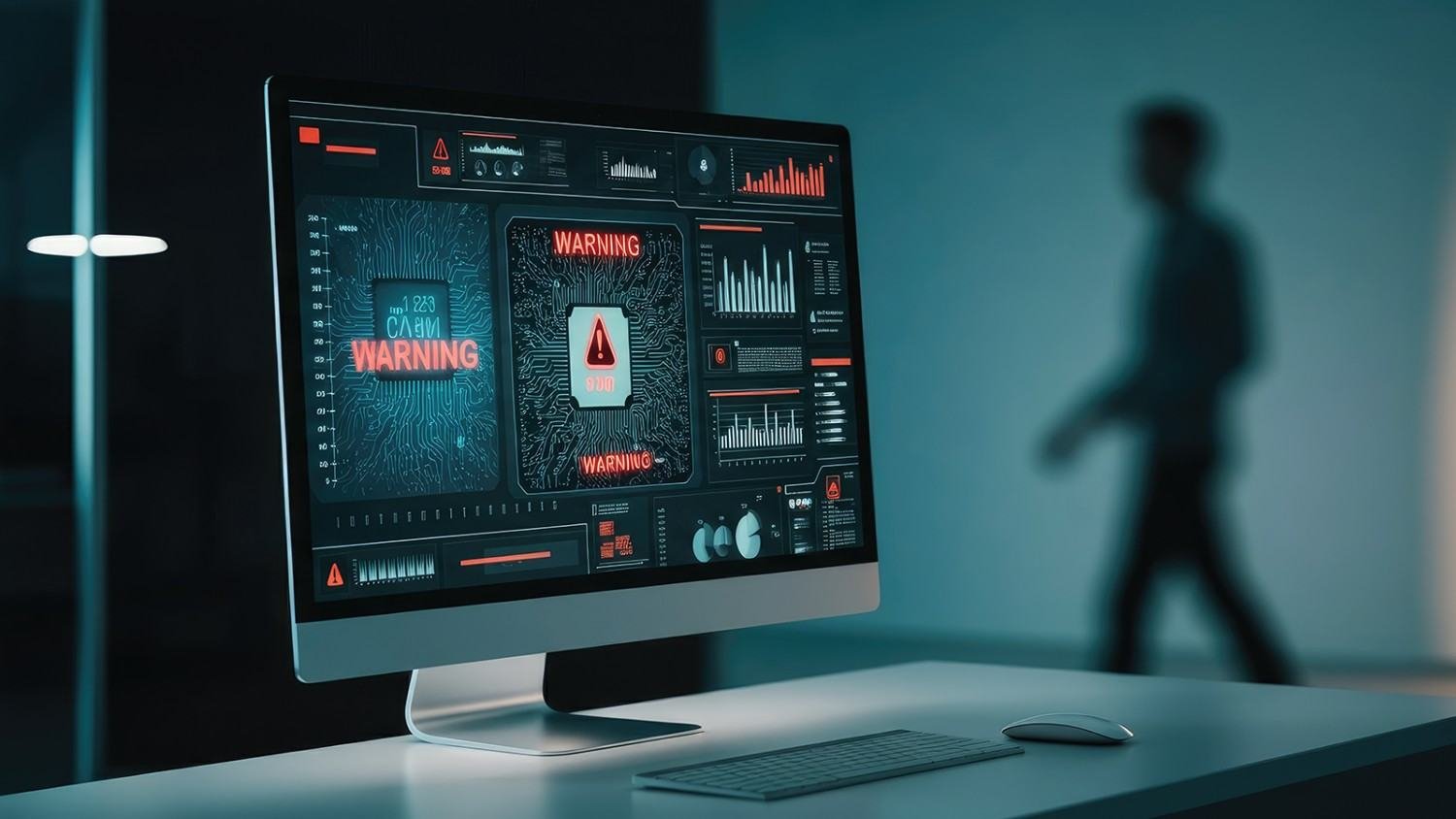
Big Tech Urges Cyber-Defense Upgrades Ahead of AI-Driven Attack Surge
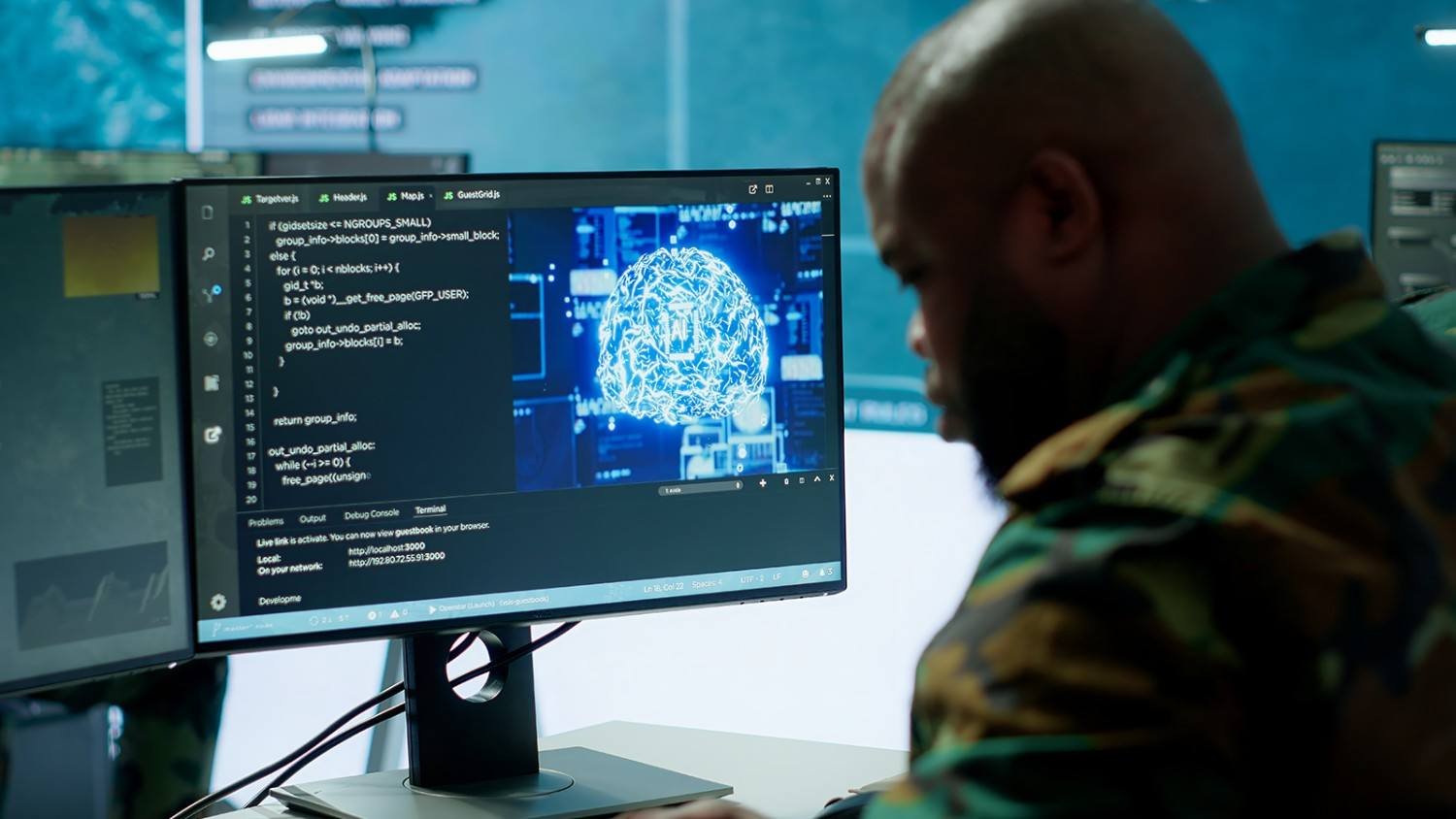
Technology companies around the world are sending out a clear and urgent message. The rise of artificial intelligence is changing the way digital attacks are created, launched, and scaled. Leading voices in the technology industry are now calling for stronger Big Tech cyber defense strategies before these advanced threats become widespread. This shift is not about creating fear. Instead, it is about encouraging preparation, awareness, and smart action so that businesses, governments, and everyday users can stay protected in a rapidly changing digital world.
This article explains why this warning matters, how artificial intelligence is reshaping the threat landscape, and what practical steps individuals and organizations can take to build stronger digital protection starting today.
Why Technology Leaders Are Raising the Alarm Now
Artificial intelligence has brought incredible benefits to everyday life, from faster communication to smarter tools for business and creativity. However, the same technology that powers helpful innovations can also be used to create more advanced and efficient digital attacks. Technology leaders are speaking up now because early preparation is far more effective than trying to respond after an attack has already caused damage.
The Speed of Change
Artificial intelligence tools can analyze massive amounts of data and identify weaknesses much faster than traditional methods. This speed means that outdated security systems may struggle to keep pace unless they are upgraded proactively.
The Scale of Automation
One of the most significant shifts is the ability to automate tasks that once required significant time and manual effort. This automation can increase the frequency and reach of digital attacks, making proactive cyber defense more important than ever before.
Understanding AI-Driven Cyber Attacks
To build strong defenses, it helps to understand how AI cyber attacks generally work and why they differ from older, more traditional methods.
Automated Pattern Recognition
Artificial intelligence systems can quickly recognize patterns in software code, network traffic, or user behavior. When used with harmful intent, this ability can help attackers identify weaknesses in a system much faster than manual searching would allow.
Personalized Deception Techniques
Some AI tools can generate highly convincing messages, emails, or even voice recordings. This makes deceptive tactics, such as fraudulent emails or impersonation attempts, appear more realistic and harder to detect at first glance.
Continuous Learning and Adaptation
Unlike static tools, AI-driven systems can learn from previous attempts and adjust their approach. This adaptability means that defense systems must also evolve continuously to stay effective.
Why Proactive Defense Matters More Than Ever
The central message from technology leaders is simple. Waiting until an attack happens is no longer a safe strategy. Instead, organizations and individuals need to focus on building strong, adaptable, and forward-thinking security systems.
Preventing Damage Before It Happens
A proactive approach focuses on identifying and closing security gaps before they can be used against a system. This is far more effective than trying to repair damage after a breach has already occurred.
Reducing Long-Term Costs
Investing in strong digital protection early can reduce the financial and operational costs associated with recovering from a serious cyber incident. Prevention is almost always more efficient than recovery.
Building Long-Term Trust
Businesses that prioritize strong security measures build greater trust with their customers, partners, and users. This trust becomes a valuable asset that supports long-term growth and stability.
The Role of Artificial Intelligence in Strengthening Defense
While artificial intelligence can be used to create more advanced threats, it also offers powerful tools for building stronger protection. This balanced approach is a major focus of current artificial intelligence threat intelligence efforts.
Faster Threat Detection
AI-powered systems can scan networks continuously, identifying unusual activity in real time. This allows security teams to respond to potential threats much faster than manual monitoring alone.
Predictive Analysis
By studying patterns from past incidents, AI tools can help predict where future vulnerabilities might appear. This predictive ability supports smarter planning and resource allocation.
Automated Response Systems
Some advanced security systems can automatically isolate a affected area of a network when a threat is detected, reducing the time it takes to contain a potential issue.
Step by Step Guide to Strengthening Your Cyber Defense
Whether you manage a large organization or simply want to protect your personal devices, these steps can help build a stronger defense against evolving digital threats.
Step 1: Keep All Software Updated
Regular updates often include important security improvements. Turning on automatic updates for operating systems, applications, and antivirus tools helps close known vulnerabilities quickly.
Step 2: Use Strong and Unique Passwords
Create passwords that combine letters, numbers, and symbols, and avoid using the same password across multiple accounts. Consider using a trusted password manager to keep track of them safely.
Step 3: Enable Multi-Factor Authentication
Adding an extra verification step, such as a text message code or authentication app, makes it significantly harder for unauthorized users to access your accounts even if a password is compromised.
Step 4: Train Employees and Family Members
Education is one of the most effective defense tools available. Teaching employees or family members how to recognize suspicious emails, links, or messages can prevent many common attack attempts.
Step 5: Back Up Important Data Regularly
Keeping regular backups of important files ensures that critical information can be restored quickly if a device or system is ever compromised.
Step 6: Monitor Systems Continuously
For businesses, investing in continuous monitoring tools can help detect unusual activity early, allowing for a faster and more effective response.
Step 7: Create a Clear Response Plan
Having a written plan that outlines steps to take during a potential security incident helps reduce confusion and speeds up recovery time.
How Businesses Can Prepare for AI-Driven Threats
Organizations of all sizes can benefit from taking a structured approach to strengthening their digital defenses.
Conduct Regular Security Assessments
Routine assessments help identify weaknesses before they can be exploited. These assessments should be updated regularly to reflect new types of threats.
Invest in Advanced Threat Detection Tools
Modern threat detection tools that use artificial intelligence can help identify unusual patterns more quickly than traditional methods, supporting a stronger AI threat mitigation strategy.
Collaborate with Cybersecurity Experts
Working with experienced cybersecurity professionals can help organizations build customized defense strategies that match their specific needs and risk levels.
Encourage a Culture of Awareness
Security is most effective when everyone within an organization understands its importance. Encouraging open communication about potential threats helps create a more resilient environment overall.
The Positive Outlook for Cybersecurity and Artificial Intelligence
While the growth of AI-driven threats may sound concerning, there is a strong and encouraging side to this story. The same innovation driving new types of digital risks is also driving powerful new solutions. Technology companies, researchers, and security professionals are working together to develop smarter detection systems, faster response tools, and more resilient digital infrastructure.
This collaborative effort reflects a positive shift toward shared responsibility and proactive planning. As awareness grows, more individuals and organizations are taking meaningful steps to protect their digital environments, creating a safer overall landscape for everyone.
Frequently Asked Questions About AI-Driven Cyber Threats
What makes AI-driven cyber threats different from traditional threats
AI-driven threats can adapt, learn, and operate at a much faster pace than traditional methods. This makes early detection and continuous monitoring especially important.
Can artificial intelligence also help prevent cyber attacks
Yes, artificial intelligence plays a major role in modern threat detection, predictive analysis, and automated response systems, making it a valuable tool for defense as well.
What is the most important first step in improving cyber defense
Keeping software updated and using strong authentication methods are two of the most effective and simple first steps anyone can take.
How often should security systems be reviewed
Regular reviews, ideally every few months or after any major system change, help ensure that defenses remain effective against new and evolving threats.
Final Thoughts on Building a Stronger Digital Future
The call from technology leaders to strengthen cyber defense before AI-driven attacks increase is a forward-thinking and constructive message. Rather than reacting to problems after they occur, this approach focuses on building resilience, awareness, and smart preparation. By taking proactive steps such as updating software, training users, and investing in advanced detection tools, individuals and organizations can stay ahead of emerging risks.
The future of digital security depends on collaboration, innovation, and a shared commitment to staying prepared. With the right strategies in place, the growth of artificial intelligence can continue to bring meaningful benefits while supporting a safer, more secure digital world for everyone.